Find a Therapist in South Carolina
Welcome to our directory of online therapists serving South Carolina. All therapists listed are licensed to practice in the state - explore profiles to find a clinician who matches your needs.


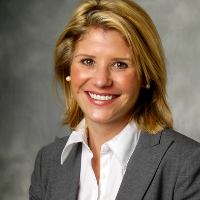






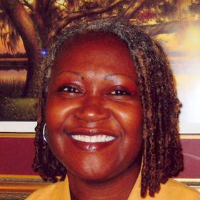
Barbara Lester
LPC
South Carolina - 25yrs exp




Overview of online therapy availability in South Carolina
Online therapy has become a common option for people across South Carolina, from the Lowcountry to the Upstate. Many clinicians now offer video and phone sessions that let you meet with a licensed therapist from your home, office, or another comfortable environment. While availability can vary by region and by clinical specialty, you will find counselors, social workers, marriage and family therapists, and psychologists who provide mental health support through remote appointments. State regulations shape how therapists deliver remote care, and most providers list whether they offer telehealth-style sessions on their profile pages so you can quickly see what options are available in your area.
Benefits of online therapy for South Carolina residents
Choosing online therapy can reduce travel time and make it easier to fit appointments into a busy day. If you live in a rural area or a smaller town, remote sessions can connect you with specialists who are not available locally. Online therapy also offers scheduling flexibility - you may be able to book evening or weekend slots that would not be feasible with in-person clinics. For people balancing work, school, caregiving, or mobility limitations, meeting remotely can lower the practical barriers to getting consistent care. Additionally, remote sessions let you remain in a familiar setting, which some people find helpful for opening up and working through concerns.
What issues online therapists in South Carolina commonly help with
Online therapists address a wide range of emotional and behavioral concerns. You can work with a clinician on symptoms of anxiety and depression, stress related to work or school, and difficult life transitions such as divorce, relocation, or career change. Couples and family therapists use remote sessions to support relationship communication and problem-solving. Therapists also help with grief, trauma recovery, parenting challenges, and managing chronic illness or pain in ways that focus on coping strategies rather than medical management. Many clinicians offer skills-based approaches such as cognitive-behavioral techniques, mindfulness practices, and problem-solving strategies tailored to your situation. When specialized treatment is needed - for example for complex trauma or eating disorders - some therapists provide specific programs remotely or can refer you to local in-person services when appropriate.
How to verify a therapist's license in South Carolina
Before you begin working with a therapist, it is wise to confirm that they are licensed to practice in South Carolina. Licensing information is public and can be checked through the state licensing board for the profession - look for the board that corresponds to the clinician's credential, such as licensed professional counselors, social workers, marriage and family therapists, or psychologists. When you search the board's records, you can verify the practitioner’s license status, the date of issuance, and whether there are any disciplinary actions or restrictions. Many directory profiles include each therapist's license number and the state where they are authorized to practice; if that information is not listed, you can ask the clinician directly for it. Confirming licensure is especially important if a therapist is based in another state but offers services to South Carolina residents, because legal rules generally require clinicians to be authorized where the client is located at the time of the session.
How to get started with an online therapist
Getting started usually begins with a few straightforward steps. First, identify what you want to focus on - whether it is managing anxiety, improving relationships, or building coping skills for a life transition. Use those priorities to narrow your search and read therapist profiles for experience, areas of specialization, and therapeutic approaches. When you find a clinician who seems like a good fit, reach out through the contact options on their profile to ask about availability, typical session length, and whether they offer an initial consultation. Many therapists provide a short introductory call or video meeting so you can ask about their approach, clarify fees and payment options, and get a sense of how you relate to them. Once you book your first session, prepare by thinking through your goals and any questions you want to address in early appointments. Ensure you have a stable internet connection and a quiet, comfortable environment for the meeting so you can focus without interruptions.
Tips for choosing the right therapist
Choosing a therapist is a personal decision that combines practical details with interpersonal fit. Begin by clarifying what matters most to you - experience with certain issues, a particular treatment approach, availability for evening or weekend appointments, or willingness to work with your insurance. Read therapist bios to learn about their training and professional background, and consider reaching out to ask specific questions about how they work with clients who have similar concerns to yours. Pay attention to how responsive a therapist is during initial contact; clear communication and openness about fees, cancellation policies, and session format are helpful early signals. When you have an initial meeting, notice whether the clinician listens to your concerns and collaborates with you to set goals. It is normal to try more than one provider before finding the right match, and many people adjust therapists after a few sessions if the fit is not right. If you need specialized care, look for clinicians with additional training or certifications in that area, and do not hesitate to ask about outcomes and typical timelines for progress.
Practical considerations and next steps
Consider practical matters such as fees, insurance coverage, and technology. Ask therapists whether they accept your insurance or offer a sliding scale if cost is a concern. Confirm what platforms they use for video sessions and whether they have backup plans for technical interruptions. If you are working from a mobile device, test your camera and microphone before the first appointment. You may also want to create a quiet, comfortable space for sessions where you will not be interrupted. For safety, discuss emergency procedures and local resources with your therapist, since remote work sometimes requires different crisis planning than in-person care. Finally, set realistic expectations - therapy is often a process that unfolds over weeks or months, and many people benefit most when they commit to regular sessions while tracking progress toward clear goals.
Finding the right match
Remember that rapport matters. A therapist's training and credentials are important, but the relationship you build with them will influence how effective the work feels for you. Trust your instincts about whether a clinician understands your priorities and communicates in a way that resonates. If you are unsure after a session, it is appropriate to discuss your concerns with the therapist - many clinicians welcome feedback and will adjust their approach. If changes do not help, it is reasonable to look for another provider who better fits your needs. The directory is designed to help you compare options and reach out to clinicians who are licensed and experienced in working with people in South Carolina. Taking the first step to connect with a therapist can open new ways to cope, make decisions, and live more fully in your everyday life.
Online therapy in South Carolina offers accessible, flexible care when you know how to verify credentials, prepare for sessions, and choose a clinician who aligns with your goals. Use the profiles below to review qualifications and reach out for a consultation - taking that first step is a practical move toward support and growth.
Browse Specialties in South Carolina
Mental Health Conditions (56 have therapists)
Addictions
161 therapists
ADHD
172 therapists
Anger
252 therapists
Antisocial Personality
34 therapists
Asperger Syndrome
37 therapists
Autism
37 therapists
Avoidant Personality
42 therapists
Bipolar
155 therapists
Cancer
39 therapists
Chronic Illness
62 therapists
Chronic Pain
62 therapists
Compulsion
75 therapists
Control Issues
157 therapists
Dependent Personality
55 therapists
Depression
389 therapists
Disability
62 therapists
Disaster Relief Therapy
64 therapists
Disruptive Mood Dysregulation Disorder (DMDD)
44 therapists
Dissociation
44 therapists
Domestic Violence
97 therapists
Eating Disorders
56 therapists
Gambling
46 therapists
Grief
280 therapists
Guilt and Shame
257 therapists
HIV / AIDS
30 therapists
Hoarding
21 therapists
Impulsivity
140 therapists
Intellectual Disability
25 therapists
Intimacy Issues
166 therapists
Isolation / Loneliness
225 therapists
Midlife Crisis
144 therapists
Mood Disorders
179 therapists
Narcissism
45 therapists
Obsession
75 therapists
OCD
75 therapists
Panic Disorder and Panic Attacks
171 therapists
Paranoia
25 therapists
Personality Disorders
78 therapists
Phobias
51 therapists
Porn
46 therapists
Post-Traumatic Stress
206 therapists
Postpartum Depression
84 therapists
Seasonal Affective Disorder (SAD)
104 therapists
Self Esteem
370 therapists
Self-Harm
76 therapists
Sex Addiction
25 therapists
Sexual Trauma
96 therapists
Sleeping Disorders
84 therapists
Smoking
18 therapists
Social Anxiety and Phobia
207 therapists
Somatization
15 therapists
Stress & Anxiety
425 therapists
Trauma and Abuse
316 therapists
Traumatic Brain Injury
25 therapists
Trichotillomania
14 therapists
Vaping
18 therapists
Life & Relationships (39 have therapists)
Abandonment
141 therapists
Adoption
82 therapists
Aging and Geriatric Issues
94 therapists
Attachment Issues
152 therapists
BDSM
20 therapists
Blended Family Issues
126 therapists
Body Image
103 therapists
Career
211 therapists
Caregiver Issues and Stress
195 therapists
Coaching
110 therapists
Codependency
146 therapists
Commitment Issues
113 therapists
Communication Problems
309 therapists
Compassion Fatigue
171 therapists
Coping with Life Changes
342 therapists
Divorce
174 therapists
Family
283 therapists
Family of Origin Issues
131 therapists
Fatherhood Issues
63 therapists
Fertility Issues
30 therapists
First Responder Issues
75 therapists
Forgiveness
261 therapists
Foster Care
82 therapists
Hospice and End-of-Life Counseling
72 therapists
Infidelity
106 therapists
Jealousy
93 therapists
Kink
20 therapists
Life Purpose
272 therapists
Money and Financial Issues
93 therapists
Non-Monogamous Relationships
43 therapists
Parenting
242 therapists
Polyamory
43 therapists
Pregnancy
57 therapists
Relationship
322 therapists
Self-Love
282 therapists
Separation
174 therapists
Sexual Dysfunction
18 therapists
Sexuality
81 therapists
Workplace Issues
177 therapists
Show 1 more (no listings yet)
Identity & Background (18 have therapists)
Black Therapist
148 therapists
Female Therapist
354 therapists
Gender Dysphoria
33 therapists
Hearing Impaired
4 therapists
Immigration Issues
9 therapists
LGBT
132 therapists
Male Therapist
83 therapists
Men's Issues
79 therapists
Multicultural Concerns
87 therapists
Non-Binary Therapist
2 therapists
Older (45+)
134 therapists
Prejudice and Discrimination
56 therapists
Queer Friendly
132 therapists
Therapist of Color
148 therapists
Veterans
97 therapists
Visually Impaired
8 therapists
Women's Issues
230 therapists
Young Adult Issues
194 therapists
Show 4 more (no listings yet)
Browse Therapy Types in South Carolina
Acceptance and Commitment Therapy (ACT)
94 therapists
Attachment-Based Therapy
45 therapists
Client-Centered Therapy
254 therapists
Cognitive Behavioral Therapy (CBT)
297 therapists
Dialectical Behavior Therapy (DBT)
104 therapists
Emotionally-Focused Therapy (EFT)
65 therapists
Existential Therapy
45 therapists
Eye Movement Desensitization and Reprocessing (EMDR)
24 therapists
Gottman Method
19 therapists
Hypnotherapy
3 therapists
Imago Relationship Therapy
2 therapists
Internal Family Systems
36 therapists
Jungian Therapy
9 therapists
Mindfulness Therapy
170 therapists
Motivational Interviewing
192 therapists
Narrative Therapy
70 therapists
Psychodynamic Therapy
50 therapists
Solution-Focused Therapy
230 therapists
Somatic Therapy
13 therapists
Systemic Therapy
9 therapists
Trauma-Focused Therapy
136 therapists